

What Is a Bottom Hole Test Adaptor? Understanding Its Role in High Pressure Sealing Methods
In oil and gas operations, maintaining pressure control during testing and production is critical to both safety and performance. One specialized component designed for this purpose is the bottom hole test adaptor.
So, what is a bottom hole test adaptor?
A bottom hole test adaptor is a pressure-rated component used in wellhead and testing assemblies to connect downhole testing tools to surface equipment, while ensuring reliable sealing under extreme pressure conditions. It plays a key role in supporting high pressure sealing methods, which are essential for accurate testing and safe operation.
What Is a Bottom Hole Test Adaptor? (Technical Definition)
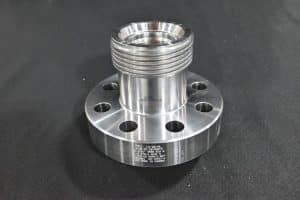
A bottom hole test adaptor (BHT adaptor) is a precision-machined connector used in well testing systems. It provides a secure interface between:
- Downhole testing tools
- Wellhead or surface pressure equipment
- Flow control assemblies
The adaptor ensures that pressure from the well is properly contained and directed, allowing operators to safely evaluate reservoir performance.
Because it operates in high-pressure environments, the adaptor must be designed to meet strict dimensional and sealing requirements.
The Role of Bottom Hole Test Adaptors in Well Testing
Bottom hole test adaptors are commonly used during:
- Drill stem testing (DST)
- Formation evaluation
- Temporary well testing operations
- Pressure monitoring procedures
Their primary function is to maintain a sealed connection while allowing pressure and flow data to be measured accurately.
Without a reliable adaptor, pressure leaks or connection failures could compromise both safety and test results.
High Pressure Sealing Methods in Bottom Hole Test Adaptors
Understanding high pressure sealing methods is essential when evaluating the function of a bottom hole test adaptor.
These adaptors are designed to maintain pressure integrity under extreme conditions using a combination of:
1. Metal-to-Metal Sealing
Many bottom hole test adaptors use precision-machined metal sealing surfaces. These surfaces:
- Provide tight, leak-resistant seals
- Withstand high temperatures and pressures
- Maintain integrity under repeated use
2. Elastomer Seals
In some applications, elastomeric seals are used alongside metal sealing surfaces to:
- Improve sealing flexibility
- Compensate for minor surface irregularities
- Enhance leak prevention
3. Threaded Connections
Threaded interfaces (such as API threads) contribute to sealing by:
- Creating tight mechanical engagement
- Supporting pressure containment
- Reducing the risk of separation under load
4. Studded and Flanged Interfaces
When connected to surface equipment, adaptors may incorporate:
- Studded connections
- Flanged interfaces
These designs help maintain alignment and ensure proper gasket compression for sealing.
Why High Pressure Sealing Matters
Effective high pressure sealing methods are critical for:
- Preventing leaks
- Maintaining accurate pressure readings
- Protecting personnel and equipment
- Ensuring regulatory compliance
- Avoiding environmental risks
A failure in sealing can result in pressure loss, inaccurate data, or serious safety hazards.
Materials Used in Bottom Hole Test Adaptors
Material selection is critical for durability and sealing performance. Common materials include:
- Carbon steel
- Alloy steel
- Stainless steel
These materials are chosen based on:
- Pressure requirements
- Temperature conditions
- Corrosion exposure
- Application environment
Applications in Wellhead and Surface Equipment
Bottom hole test adaptors are used as part of broader surface equipment components, including:
- Wellhead assemblies
- Flow control systems
- Pressure testing setups
- Temporary production systems
They act as a critical connection point between downhole tools and surface equipment, ensuring safe and efficient operation.
Custom Solutions for Complex Stack-Ups
Every well is different, and often, off-the-shelf parts won’t fit a legacy wellhead or a unique tool string. CRC specializes in “problem-solver” machining:
-
Height Adjustments: If your tool string is exceptionally long, we can integrate your test adapter with custom Spool Adaptors to provide the necessary clearance.
-
Pressure Crossovers: We machine adapters that allow 5,000 PSI surface equipment to safely interface with 10,000 PSI tool strings.
-
Hydrostatic Readiness: Need to verify the seal before the tools go in? Our adapters can be machined with ports similar to our Test Blind Flanges for easy pressure gauge mounting.
What Is a Bottom Hole Test Adaptor and Why It Matters
It is a precision-engineered component that connects testing tools to wellhead systems while maintaining pressure integrity under extreme conditions. By supporting reliable high pressure sealing methods, bottom hole test adaptors ensure safe testing, accurate data collection, and efficient well operations.
In high-pressure environments, proper sealing is not optional—it is the foundation of well control. And bottom hole test adaptors play a vital role in making that possible.
CRC Wellhead Supply
CRC Wellhead Supply manufactures precision-machined, pressure-rated components designed for demanding oilfield applications. With expertise in CNC and manual machining, CRC produces high-quality adaptors, flanges, and custom wellhead components built to support reliable sealing and pressure containment.
Contact CRC Wellhead today to discuss your bottom hole test adaptor requirements or request a custom machining solution tailored to your operation.