

What Is a Blind Flange Used For? A Clear, Informational Guide
In industrial, mechanical, and engineering environments, flanges play an essential role in building secure and efficient piping systems. Among the various types available, the blind flange stands out as one of the most versatile and widely used components. If you are working in manufacturing, plant operations, mechanical engineering, or industrial maintenance, understanding what a blind flange is used for is crucial for ensuring proper pipeline design, safe shutdown procedures, and effective system isolation.
This guide explains the purpose, functions, common applications, and advantages of blind flanges so you can make well-informed decisions in your mechanical or industrial projects.
What Is a Blind Flange?
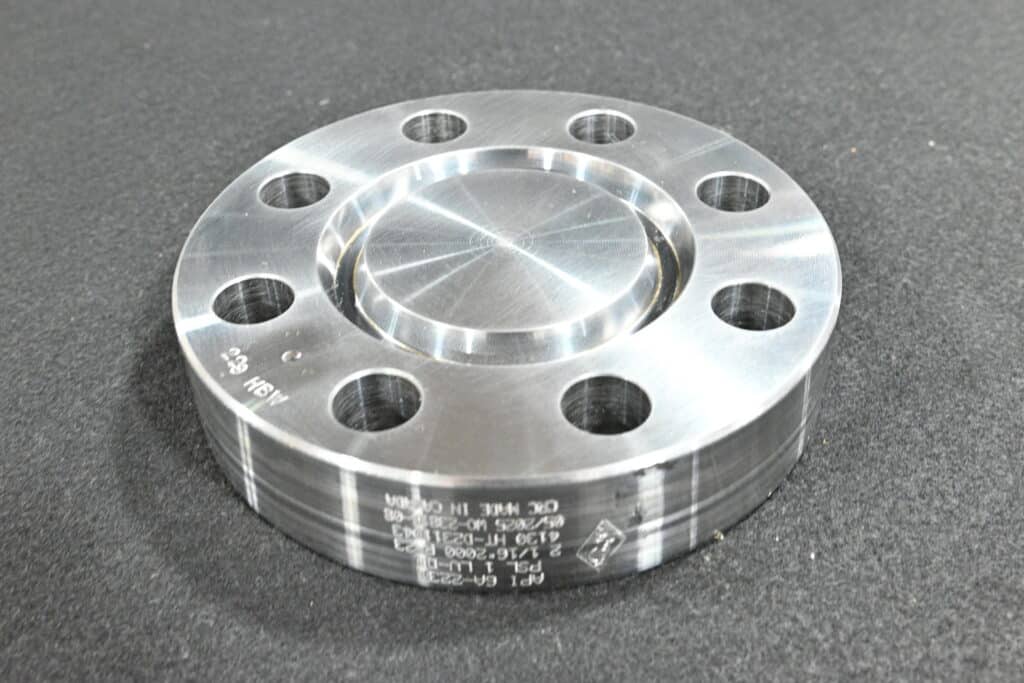
A blind flange is a solid disc used to close the end of a pipe or seal off a nozzle opening on a pressure vessel. Unlike other flange types, a blind flange has no bore in the center. Its main purpose is to stop flow, create a secure seal, and allow efficient access for maintenance or inspection.
Because blind flanges must withstand the same pressure as the rest of the piping system, they are typically manufactured using durable materials such as carbon steel, stainless steel, alloy steel, or specialized high-temperature/pressure metals depending on the application.
What a Blind Flange Is Used For
Understanding what a blind flange is used for requires looking at its diverse functions in industrial and mechanical systems. Below are the most common uses across various industries:
1. Sealing the End of a Piping System
The primary purpose of a blind flange is to fully close the end of a pipeline. This is necessary when:
-
A pipeline section is not yet connected
-
System expansion is planned for the future
-
The configuration requires a temporary or permanent termination point
Blind flanges create a complete barrier that prevents leaks, contamination, or product loss.
2. Providing Access for Maintenance and Inspection
One of the biggest advantages of blind flanges is that they can be easily removed and reinstalled. This allows technicians to open the pipeline for:
-
Internal cleaning
-
Inspection
-
Pressure testing
-
Mechanical repairs
Compared to welded end caps, blind flanges reduce downtime because they enable quick access without damaging the pipe.
3. Isolating Equipment or Pipeline Sections
Blind flanges are commonly used to isolate:
-
Pumps
-
Valves
-
Tanks
-
Pressure vessels
-
Heat exchangers
During repairs or shutdowns, blind flanges keep systems safe by preventing the flow of hazardous liquids or gases into the work area.
In many industrial facilities, blind flanges are part of a standard lockout-tagout (LOTO) safety procedure.
4. Pressure Testing of Pipeline Systems
Before a pipeline becomes operational, engineers must test it for leaks and pressure integrity. Blind flanges are installed temporarily so pressure can build within the line. This ensures the system meets:
-
Safety codes
-
Mechanical specifications
-
Industry quality standards
After testing, the blind flange can be removed or replaced with the intended flange connection.
5. Facilitating System Modifications and Expansions
Industrial and mechanical systems often evolve over time. Blind flanges allow pipelines to be built with future expansion points. A blind flange seals the unused branch until it’s time to extend or modify the system.
This strategy helps plants save time and money since they don’t need to cut into an existing line later.
Industries That Commonly Use Blind Flanges
Because the need for sealing, isolation, and pressure control is universal, blind flanges are used in many industrial sectors, including:
-
Manufacturing plants
-
Chemical processing
-
Food and beverage production
-
HVAC and mechanical systems
-
Water treatment facilities
-
Marine and shipbuilding
-
Pharmaceutical manufacturing
-
Industrial machinery fabrication
-
Construction and infrastructure projects
Any system that relies on piping or pressure containment will likely use blind flanges.
Types of Blind Flanges
While all blind flanges serve the same general purpose, they come in various forms:
1. Raised Face Blind Flanges
Provide a slightly elevated sealing surface ideal for high-pressure applications.
2. Flat Face Blind Flanges
Common in low-pressure systems or where the mating flange is also flat-faced.
3. Ring-Type Joint (RTJ) Blind Flanges
Used in extremely high pressure or high-temperature environments requiring metal-to-metal sealing.
Choosing the right type depends on pressure rating, temperature, fluid type, and industry standards.
Advantages of Using Blind Flanges
Blind flanges offer several benefits:
-
High sealing efficiency for stopping flow completely
-
Easy removal for inspection and cleaning
-
Reusable, unlike welded end caps
-
Compatible with high pressure and high temperature systems
-
Available in many materials and standards
-
Support future system expansion
Their reliability and versatility make them essential in industrial mechanical setups.
How Blind Flanges Improve Safety
In many industrial environments, controlling pressure and isolating hazardous materials is a top safety priority. Blind flanges help maintain safe operations by:
-
Preventing leaks
-
Allowing controlled shutdowns
-
Minimizing exposure to chemicals
-
Enabling safe repair and replacement of equipment
Proper flange installation with quality gaskets and bolts contributes to long-term operational safety.
Why Blind Flanges Matter in Industrial Systems
Now that you know what a blind flange is used for, it’s clear that this simple component plays a major role in pipeline safety, accessibility, and efficiency. Whether you’re sealing off an unused line, preparing for inspection, isolating equipment, or planning future expansions, blind flanges provide a reliable solution across many industrial and mechanical applications.
For engineers, technicians, and plant operators, understanding how and when to use blind flanges is key to building systems that are safe, compliant, and easy to maintain.
About CRC Wellhead Supply
CRC Wellhead Supply specializes in precision-machined components such as flanges, transitions, spool adaptors, and custom-machined parts. Since 1980, the company has provided high-quality, Canadian-manufactured equipment with the capability to produce components as small as a few inches or as large as three feet and up to 3000 lbs.
CRC’s facility includes CNC and manual machining equipment, allowing the team to manufacture standard and custom parts according to project specifications.